How we brief a generative AI shoot like a real set
Generative tools are available to everyone, which is exactly why generic AI content is everywhere. Here is how we direct an AI production the way we direct a set: concept first, a lighting and lens language, a consistent cast, the product anchored in 3D, and the same edit and grade as film.
We brief a generative AI production the way we brief a film shoot: a concept and an art director first, then a lighting and lens language, a cast and a world, the product anchored in 3D, a shot list, and finally the generation, which we treat as the shoot day. The edit, sound and grade are the same as for film. The camera is different; the discipline is not.
That order is the whole difference between AI content and an AI commercial. Generative tools are available to everyone, which is exactly why generic AI content is everywhere. This post walks through our process so you know what to expect, and what we will ask of you.
Why brief AI at all?
Because a tool answers the question you ask it, and a vague question produces a vague film. A prompt typed on a Monday afternoon gives you something that looks like every other AI clip: soft light, a pretty stranger, a product that is almost yours. A brief gives the tool the same constraints a crew would get: this light, this lens, this person, this product, this mood, for this audience, in these formats.
Every project here starts with a creative idea and an art director. The AI is one of the tools that executes it, next to 3D, editing, sound and grading. If you want the longer argument, it is on our AI production page. Here is how it works in practice.
Step 1: the brief, the same one as for a shoot
We start with the questions any production starts with:
- Goal. What has to change because this film exists: awareness, a launch, sales in a new market?
- Audience. Who watches it, where, and for how long before they scroll?
- Formats and markets. A hero film plus cutdowns? Verticals? Stills? How many languages?
- The product. Which product, in which versions, and how exact does it need to be? This decides whether we build a 3D model first.
- Tone and references. Three things you love, three things you never want to see.
- Deadline and budget. A rough number is enough to shape the plan.
From this we write a short creative brief and a concept. You approve that before we touch a tool.
Step 2: the look, fixed before anything is generated
A real set has a director of photography who decides how the film is lit and with which lenses. An AI production needs the same decision, and it needs it early, because every frame is generated against it.
So we define a lighting language (hard or soft, where the key light sits, how much contrast), a lens language (wide and close, or long and compressed), a colour palette and a grade. We build a small set of concept frames in that look and show them to you. This is the first feedback round, and the cheapest moment to change your mind: a different look here costs an afternoon, not a reshoot.
Step 3: the cast and the world
AI tends to produce a different person every time you ask. A campaign needs the same person in every shot. We cast the way a shoot casts: we design the people, agree on them with you, and lock them, so the woman in the opening scene is the woman in the last one, across every format and market.
The same goes for the world. A kitchen, a street, a factory floor, a beach at dusk: we build the environment once as a set of references and keep the campaign inside it. That consistency is what makes the result read as production work rather than as a collection of clips.
Step 4: the product, anchored in 3D
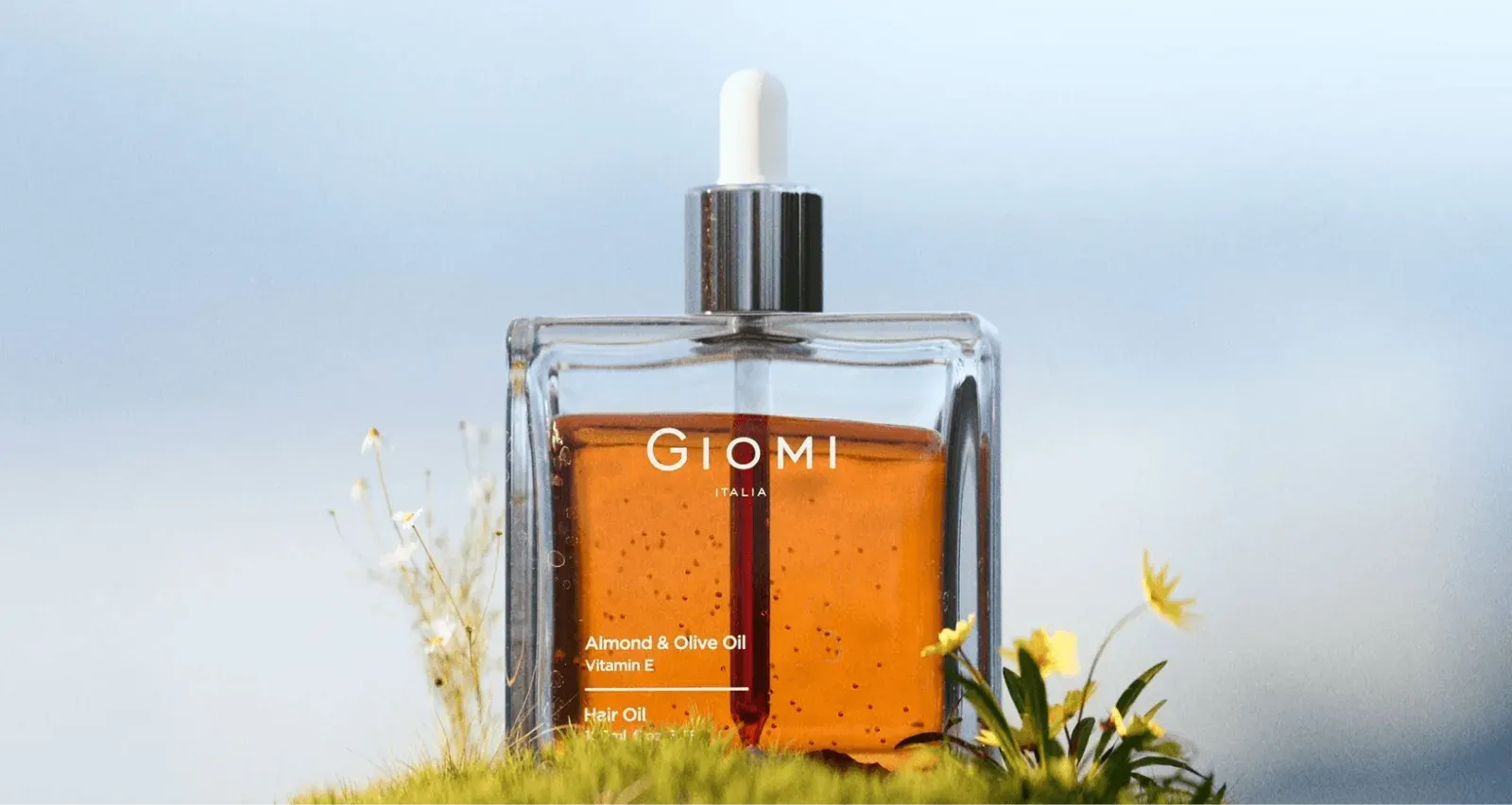
Generative AI on its own drifts: a bottle changes shape between shots, a logo moves, a cap grows. For a mood board that is fine; for a campaign it is not. Where the product has to be exact, we model it once in 3D and use that model to drive every image and shot. The product stays identical; the world around it moves.
This is also why we ask for CAD or 3D files at the start, even on an AI project. If they do not exist we model from drawings and photos; it takes longer and is quoted separately. For products that do not need millimetre accuracy, direct generation is faster, and we tell you when that is the better route.
Step 5: the shot list and the storyboard
With the look, the cast, the world and the product fixed, we write the film: a storyboard with the shots, their length, the camera movement and the sound. Nothing exotic, the same document a shoot would get. You see it before generation starts. Changes here are still cheap.
Step 6: generation, which we treat as the shoot day
Then we shoot. On a set you take several takes of every shot and keep one; generation is the same, with more takes and a stricter selection. We generate against the storyboard, with the locked cast, world and product, and select on the criteria a shoot uses: performance, light, continuity, the product. Anything that looks generated goes back; if a shot looks generated, it does not leave the building.
This is where the efficiency of AI shows. There is no crew call, no location, no weather, no travel. A take that did not work costs minutes, not a day. The same budget buys more films, more variants and more markets, and the craft that makes it look real stays in the process.
Step 7: edit, sound and grade, like film
The selected takes go into the same edit and grading suite we use for film. Edit, sound design, music, the grade that ties every shot into one look, and the masters in every agreed format and ratio: horizontal, vertical, stills, languages. This is the second feedback round. Then delivery, with documented usage rights, so who may use the film, where and for how long is written down.
What this asks of you
Three things make an AI production go well from the brand’s side:
- Decide early. The concept frames and the storyboard are where decisions are cheap. Take the time there.
- Bring the product data. CAD, artwork, finishes, references. The more exact the input, the more exact the film.
- Trust the direction, test the result. We show work at every step; if something does not feel like your brand, say it at the frames, not at the master.
If you have a brief, or half of one, send it to [email protected] with a deadline and a rough budget. We come back with a plan, concept frames and a fixed quote before anything is generated.
Frequently asked questions
What do you need from a brand to start an AI production?
The goal of the campaign, the audience, the formats and markets, the deadline and a rough budget. For the product: CAD or 3D files if they exist, packaging artwork, and reference photos of materials and finishes. For the look: brand guidelines and a few references of films or images you like and dislike.
How many feedback rounds are there?
Two are included in every quote: one on the concept frames and storyboard, before generation, and one on the edit. More rounds are possible and simply priced.
Can we use our own actors or presenter?
Yes, with their consent and a written agreement on usage. Real people in AI-generated or altered footage also fall under the disclosure rules of the EU AI Act, which we build into the delivery.
Which AI tools do you use?
Several, and they change. The tools are part of the kit; the judgement is the service. What stays constant is the direction: concept, art direction, a product pipeline in 3D, professional editing, sound and grading.