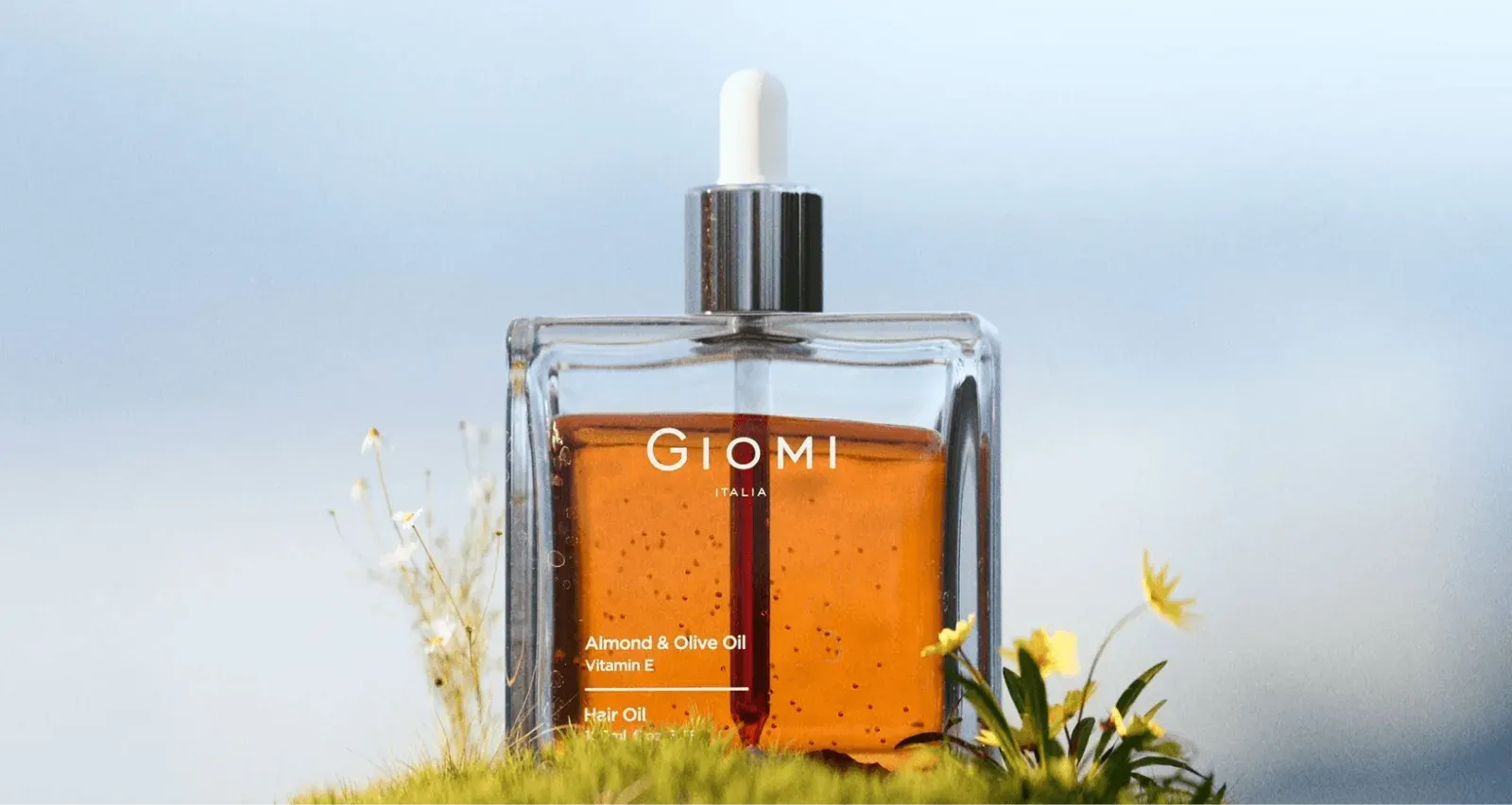
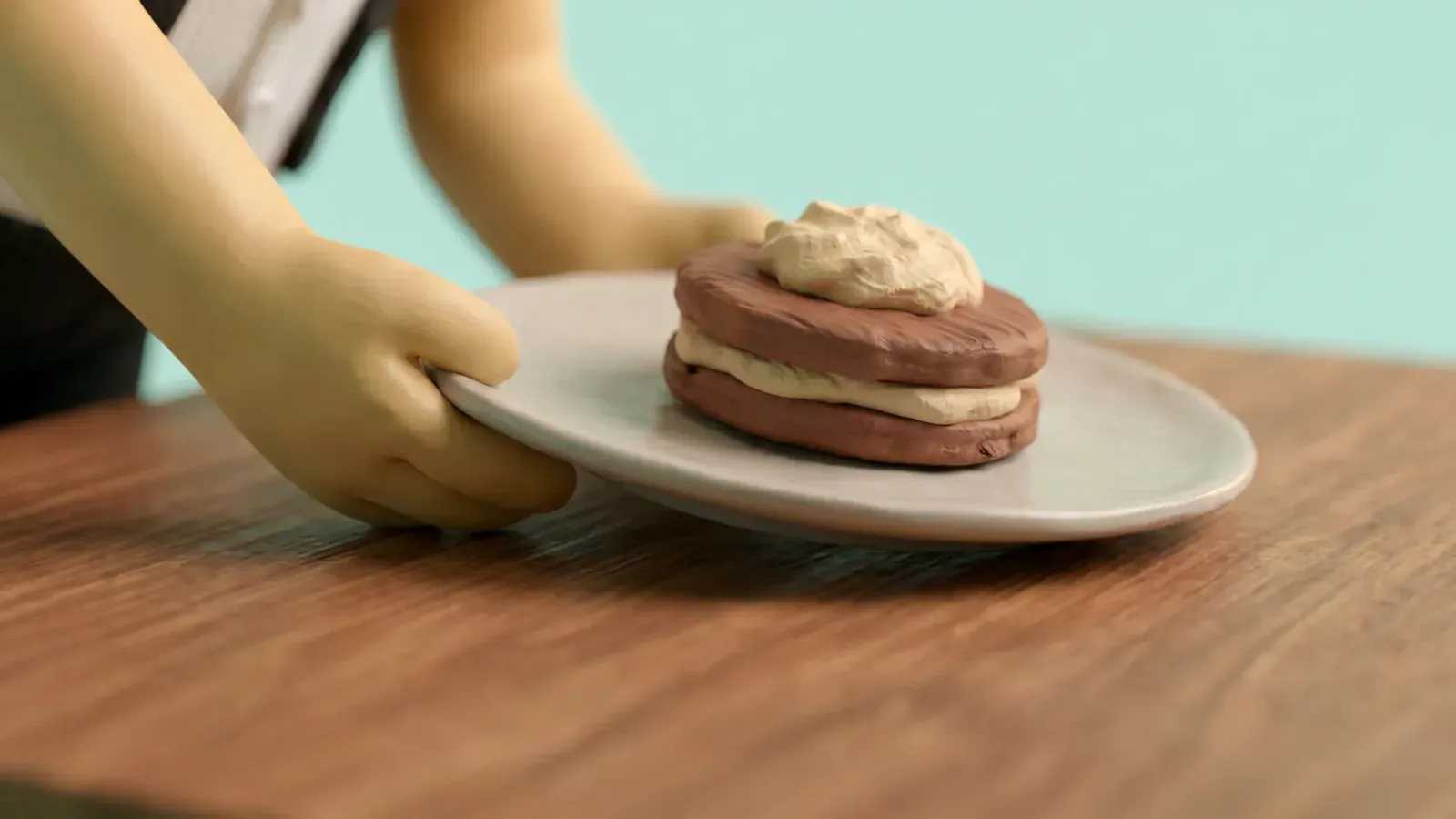
3D render or product photography? When to choose which
Photography wins on texture and authenticity. 3D wins once angles, colours and variants multiply, because the model is built once. AI sits on top of both. One table and a simple decision rule.
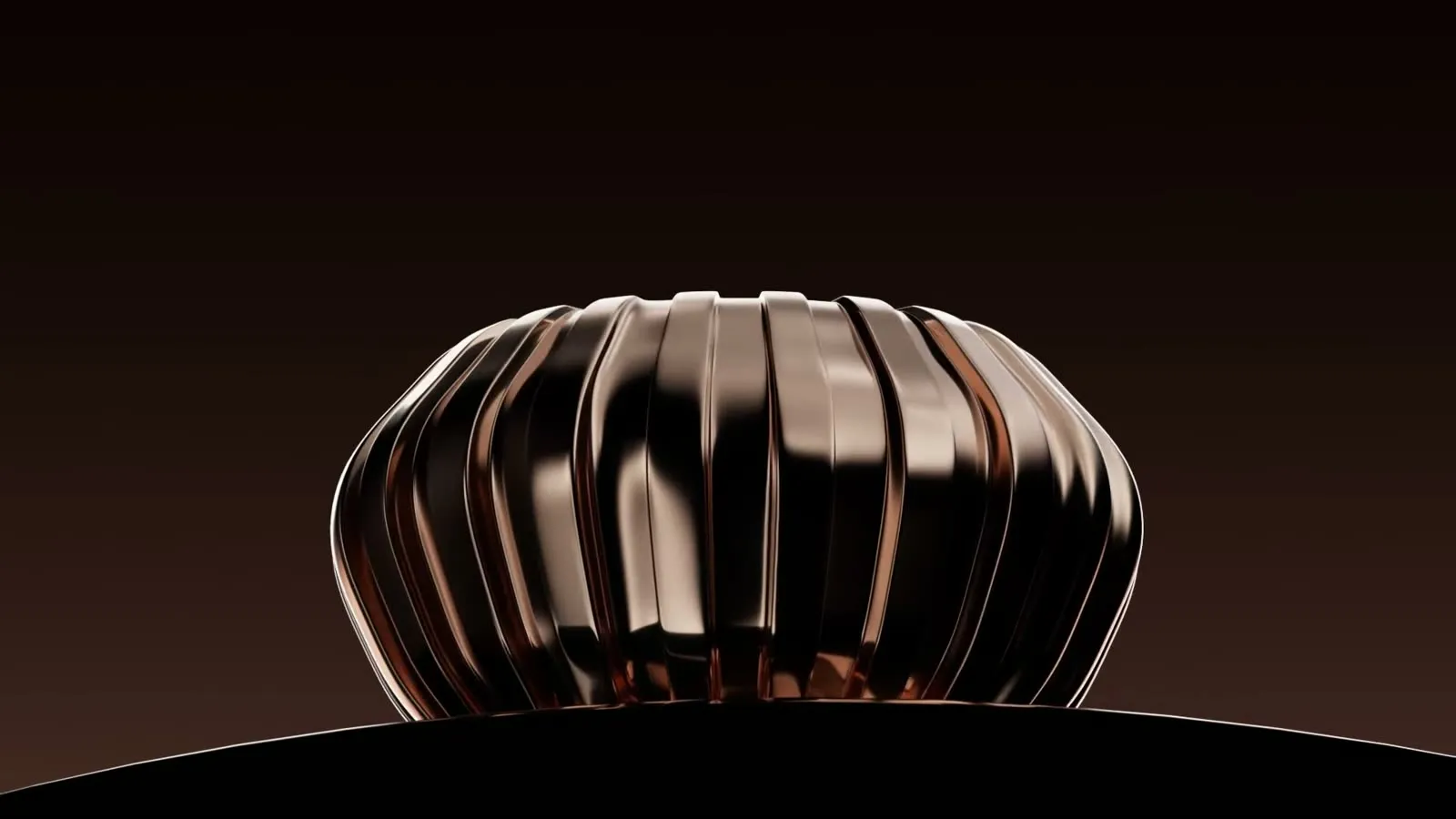
Choose product photography when the material is the message and you need one or two images. Choose 3D rendering when the product is exact, can be modelled, and you need many angles, colours or variants. Choose AI for the scene around the product, with a 3D model underneath when the product has to be identical in every frame. That is the short version; the rest of this post is the reasoning, one table and a rule you can apply to your own product.
What is the real difference between a render and a photo?
A photo captures a product that exists, in light that existed, once. A render builds the product as a model and then produces any image of it, as often as you like. Everything else follows from that.
A photo is fast for one image and slow for fifty, because every new angle, colour or season is a new shoot. A render is slow for the first image, because the model has to be built and the materials have to be matched, and fast for the fifty after it. The model also outlives the campaign: next year’s colour, the exploded view for the manual, the 360-degree spin for the web shop and the AI campaign all start from the same file.
3D, photography or AI: the comparison
| 3D rendering | Product photography | AI imagery | |
|---|---|---|---|
| Best for | Exact products, packaging, electronics, cars, variants at scale | Textured, natural or handmade products; one or two hero images | Scenes, moods, lifestyle context, many formats fast |
| Product accuracy | Exact, every time, if the CAD or model is right | Exact, for what was in front of the camera | Approximate unless a 3D model or product rig anchors it |
| Texture and authenticity | Very good; natural irregularity takes the most work | The benchmark | Convincing for scenes; weak on fine product detail without an anchor |
| Cost of the first image | Highest: modelling and material matching | Medium: studio, photographer, styling, sample | Lowest |
| Cost of image 2 to 50 | Low: angles and variants are a fraction | High: each new setup is a new shoot | Low, and fastest to iterate |
| Changes afterwards | Change the model, re-render | Reshoot | Regenerate; consistency is the risk |
| Needs the physical product | No, CAD or drawings are enough | Yes, and the final finish | No |
| Turnaround | Longer first, then fast | Fast for one setup | Fastest |
Vendor cost breakdowns published in 2026 put the crossover somewhere around a few dozen products with multiple variants, after which rendering comes out well below photography (Sayduck, cost breakdown; UFO3D, product photography cost). Those are rendering vendors, so treat the exact figures as optimistic. The shape of the curve is right: 3D has a high first cost and a low cost per extra image, photography the reverse.
When does photography still win?
Three cases, in our experience:
- The material is the product. Leather grain, bread crust, a knitted sweater, skin. A render can get there, but the hours it takes to make natural irregularity look natural often cost more than a day in a studio.
- You need one or two images, now. A single hero shot of a product that already exists is a shoot, not a modelling project.
- Authenticity is the brief. Handmade, artisanal, “this is really how it looks”. A photo carries that promise in a way a render has to earn.
When does 3D win?
- The product is exact and exists as CAD. Packaging, bottles, devices, furniture, cars. The model is largely done before we start; the work is materials, light and composition.
- Variants multiply. Six colours, three sizes, four markets, a seasonal edition. Each one is a setting in the file, not a reshoot.
- The product does not exist yet. Launch imagery before the first unit leaves the factory, or a configurator with every option.
- The image has to be impossible. Exploded views, cutaways, a product the size of a building, a camera inside the mechanism.
At a mad office a product set, the model plus five to eight images, starts at €6.500 excluding VAT. The first image carries the modelling; every angle and variant after that is a fraction, and the model is yours for whatever comes next.
Where AI fits, and why 3D is its anchor
AI is the fastest way to put a product in a scene: a kitchen at dawn, a mountain road, a shop in Tokyo, forty formats by Friday. Its weak point is the product itself. Left alone, a generated bottle drifts a little between frames: the cap changes, the label shifts, the proportions wander. For a mood board that is fine. For a campaign it is not.
The fix is the model. A 3D model of the product drives the AI, so the product stays identical in every image while the scene around it moves. That is how we combine the two: 3D for the thing that must be exact, AI for the world it lives in. It is also why we ask for CAD files on AI projects as well as 3D ones. If you want the longer version, our 3D & animation page covers it, and the AI production page shows what the combination looks like in a campaign.
A decision rule you can use
Count three things: how many products, how many variants per product, and how important the material texture is to the sale.
- One product, one or two images, texture matters: photography.
- One or more exact products, many angles or variants: 3D.
- A product that must look right in many scenes and formats: 3D model plus AI.
- Natural products in many scenes: a photo shoot for the hero images, AI or 3D for the context and the volume.
Not sure which column your product is in? Send us a photo and the CAD files if you have them, and we tell you which route we would take and what it would cost.
Frequently asked questions
Is 3D rendering cheaper than product photography?
Not for a single image. The first 3D image carries the modelling; from the second angle or variant on, 3D is usually cheaper than a new shoot, and the gap widens with every colour, size and season. For one hero image of a textured product, photography is the better buy.
Can people tell a 3D render from a photo?
Not when it is done well. Packaging, cosmetics, electronics and cars have been rendered for years without anyone noticing. Materials with natural irregularity, such as leather, bread or skin, are where a render has to work hardest, and where a photo often still wins.
What do you need from me to make a 3D render?
Ideally the CAD or 3D files of the product, the artwork and dielines for packaging, and reference photos of the materials and finishes. Without CAD we model from drawings, measurements and photos; it takes longer and is quoted separately.
Do I own the 3D model afterwards?
Yes. The model is part of the delivery at a mad office, so later images, animations or AI work start from it instead of from scratch.